![[YAHUSHUA HA MASHIACH] THE CHIEF CORNERSTONE MINISTRY](https://yahushua-thechiefcornerstone.com/wp-content/uploads/2017/09/days-of-awe.png)
 Posted by
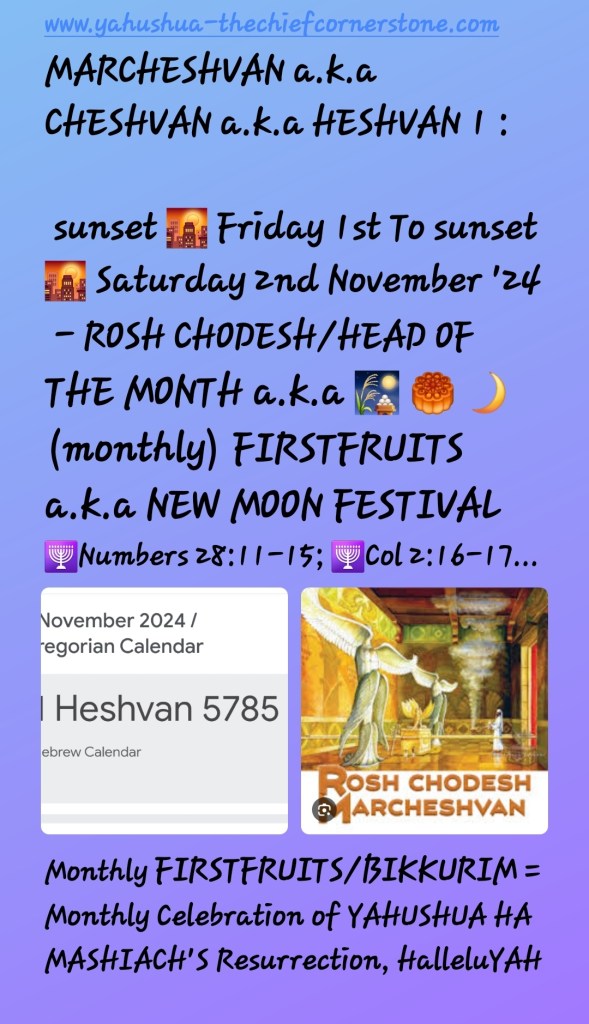
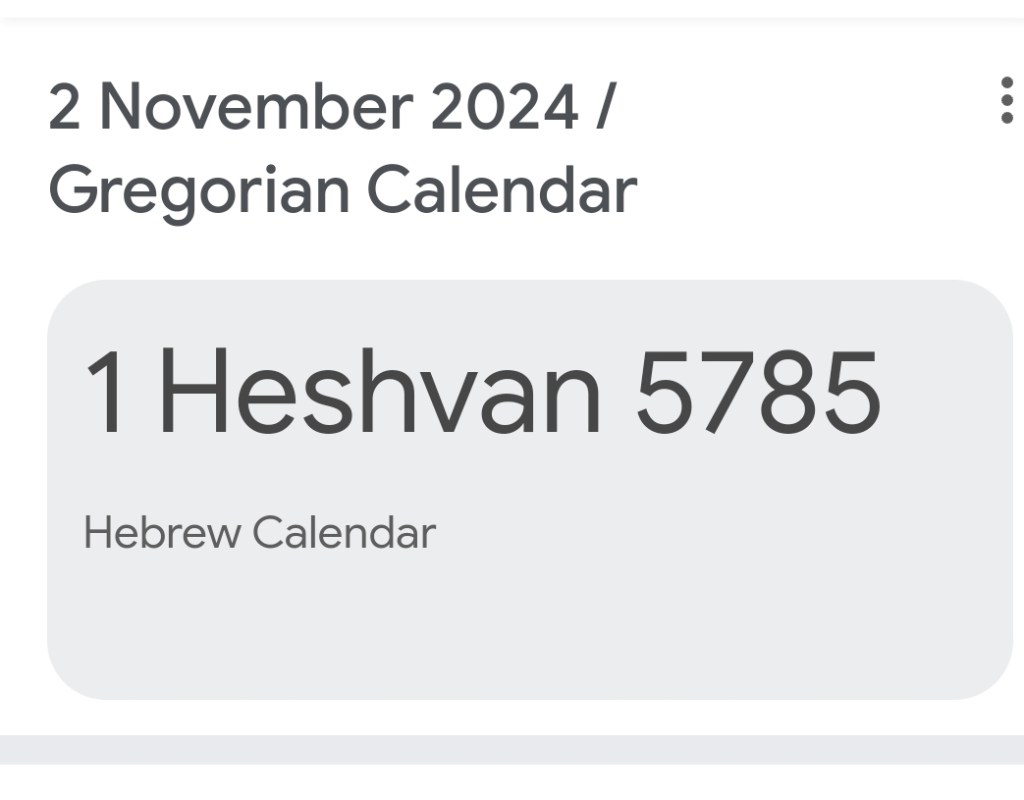
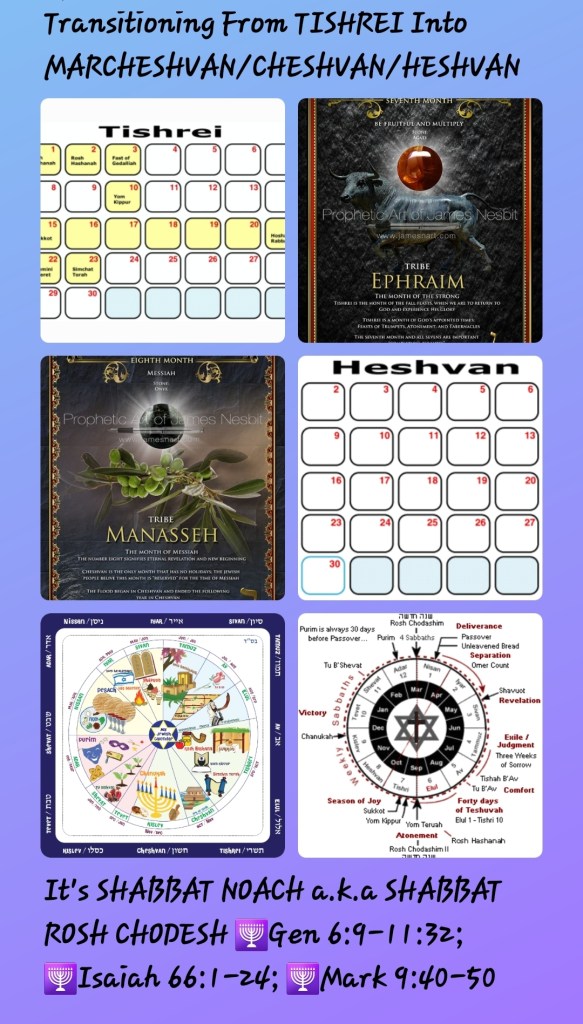
 SHABBAT SHALOM and CHODESH TOV MARCHESHVAN Brethren in YAHUSHUA HA MASHIACH [JESUS CHRIST of Nazareth; Not Yeshua!],
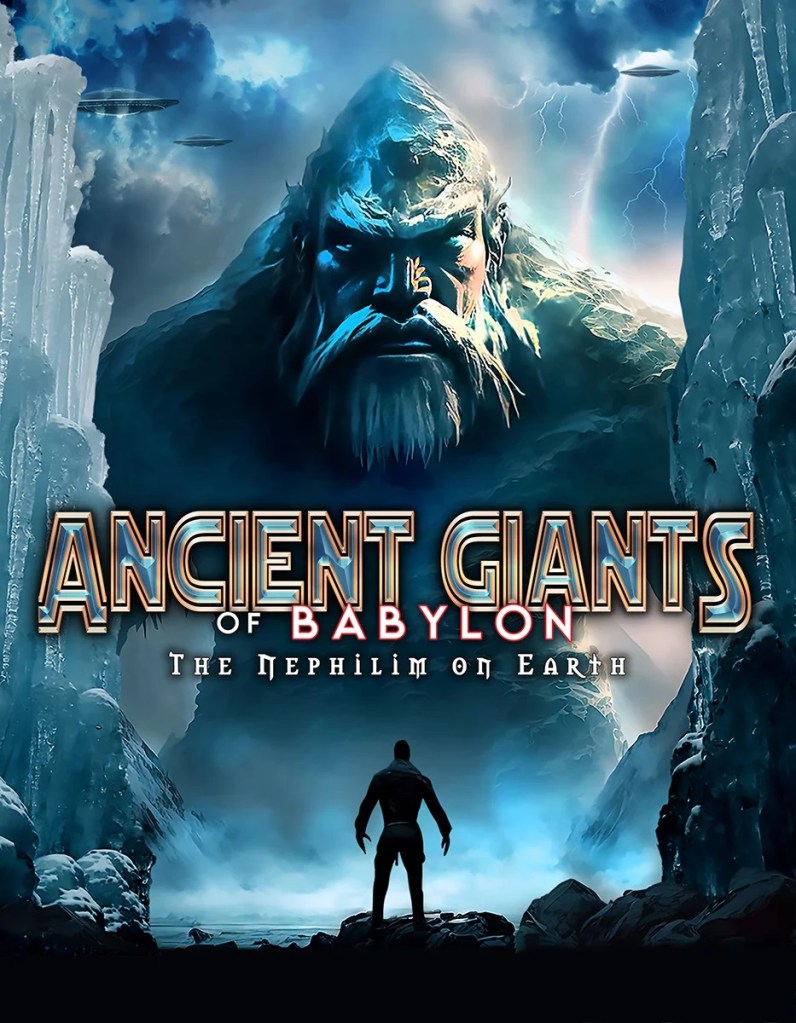
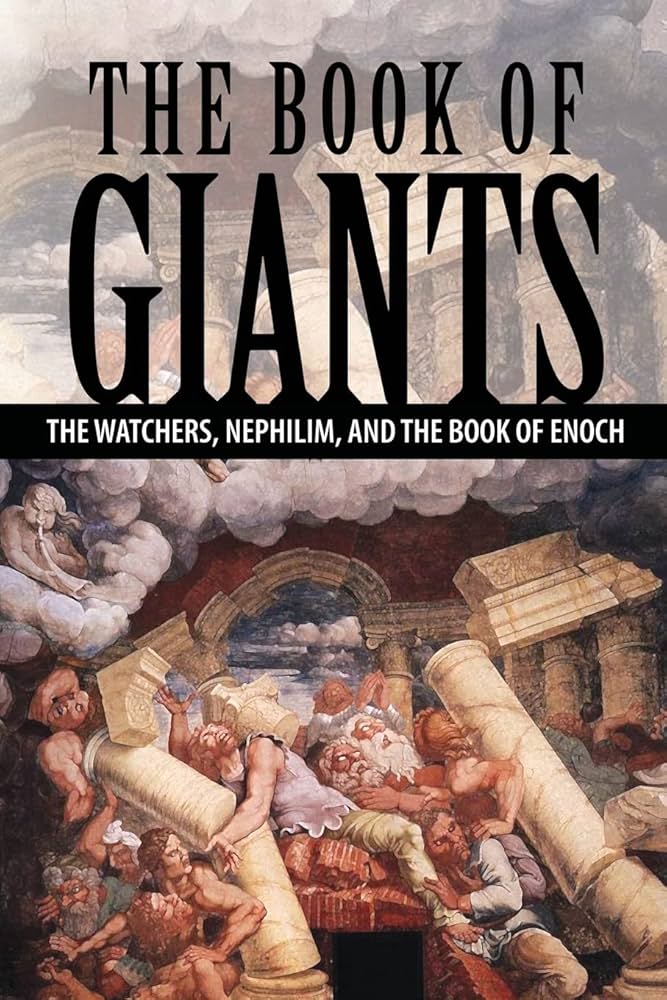
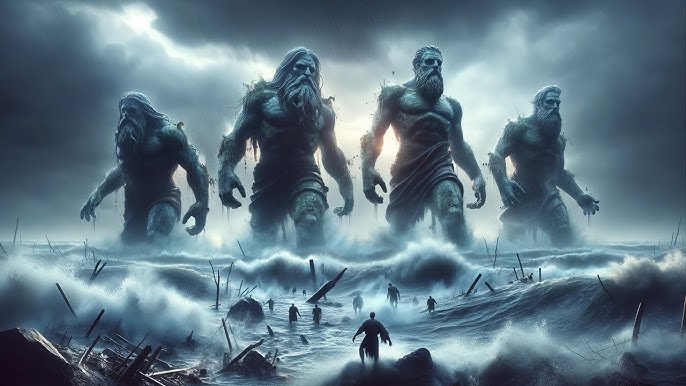
There is so very much to share in relation to this TORAH PARASHAH/PORTION, however we are unable to share it all today. Please read 🕎Revelation 10:4; 🕎Isaiah 13; 🕎Joel 2-3; etc which are all to do with THE RETURN OF THE GIANTS TO THE EARTH REALM Prophesy which is part of THE DAY OF THE LORD YAHUVEH [YAHWEH] and is to manifest during Donald J Trump’s Second Reign in the Office of the President of Mystery Babylon USA 🇺🇸.
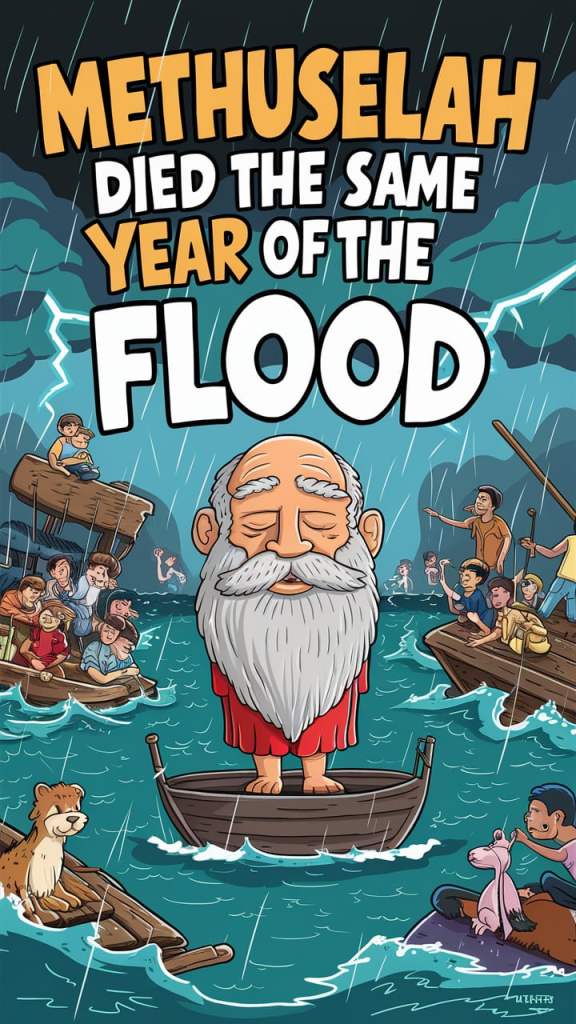
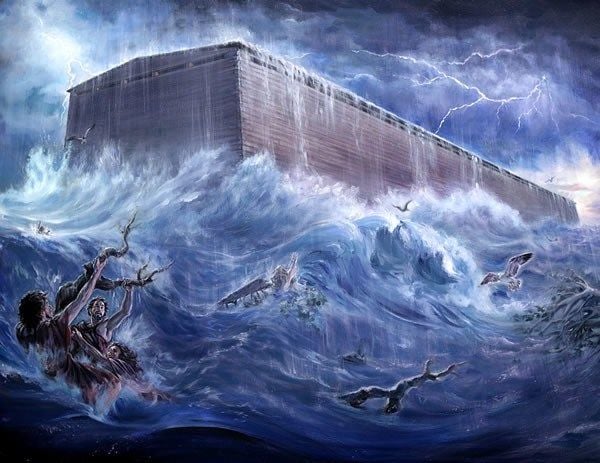
Also, note 🕎Matthew 24: 37-39 which talks about what occurred in 🕎Genesis 6 – people allowing their children to have sexual intercourse with fallen angels and producing giants/demons/nephilim which in turn ended up eating them for food. Also, note that animals also acted perversely by having sexual interiors with fallen angels and other kinds of animals thereby producing mixed seed that are abomination to thTHE CREATOR/MAKER YAH SHADDAI! This is why YAH SHADDAI had to be selective in terms of the animals HE allowed onto the Ark as the Ark was like THE TABERNACLE or TENT OF MEETING! The Only Pure People and Animals [no corruption in them, not of mixed seed with angels and full of YAH’S LIGHT] on earth were the only ones who could be permitted to enter the Ark and to escape The Great Flood!
Matthew 24:37-39
King James Version
37 But as the days of Noah were, so shall also the coming of the Son of man be.
38 For as in the days that were before the flood they were eating and drinking, marrying and giving in marriage, until the day that Noe entered into the ark,
39 And knew not until the flood came, and took them all away; so shall also the coming of the Son of YAH (not man!!!) be.
Video:
Video:
Video:
Video:
Parshah (Weekly Torah) Bereshit/Genesis – Noach Texts and Summaries:
Noach in a Nutshell
🕎Genesis 6:9–11:32
The Parshah is named “Noach” (Noah) after the protagonist of its major event: The Great Flood. It is found in Genesis 6:9.
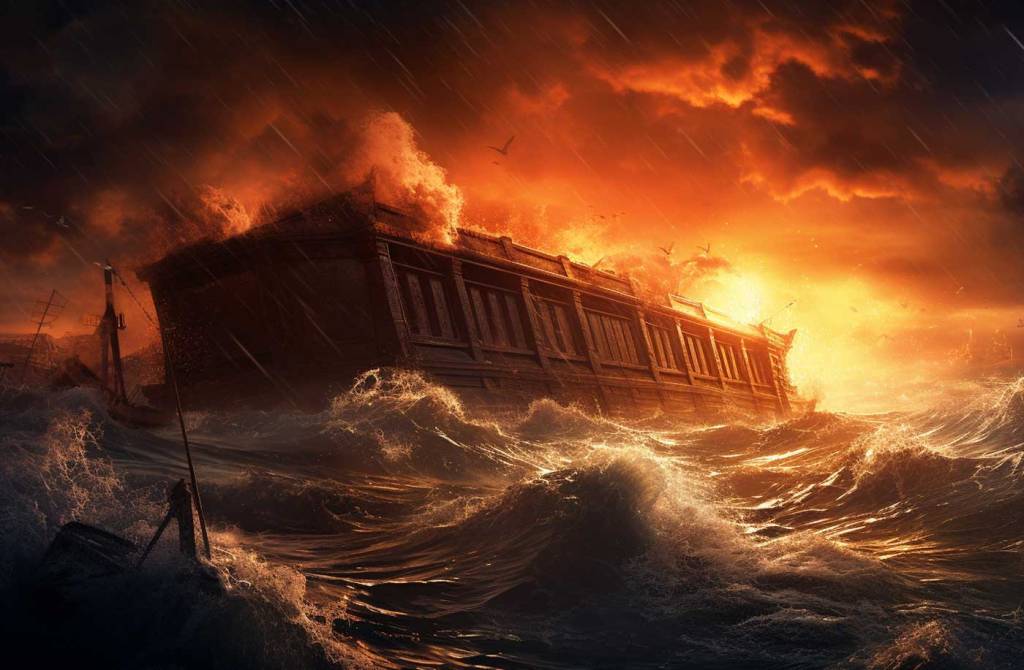
YAH SHADDAI instructs Noah—the only righteous man in a world consumed by violence and corruption—to build a large wooden teivah (“ark”), coated within and without with pitch. A great deluge, says YAH SHADDAI, will wipe out all life from the face of the earth; but the ark will float upon the water, sheltering Noah and his family, and two members (male and female) of each animal species (and 7 of the “pure” species).
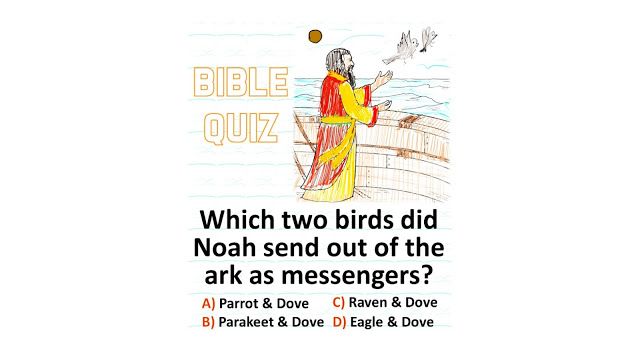
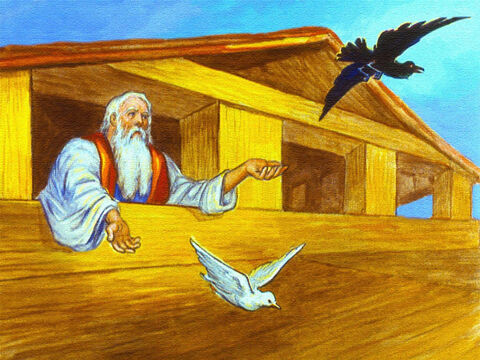
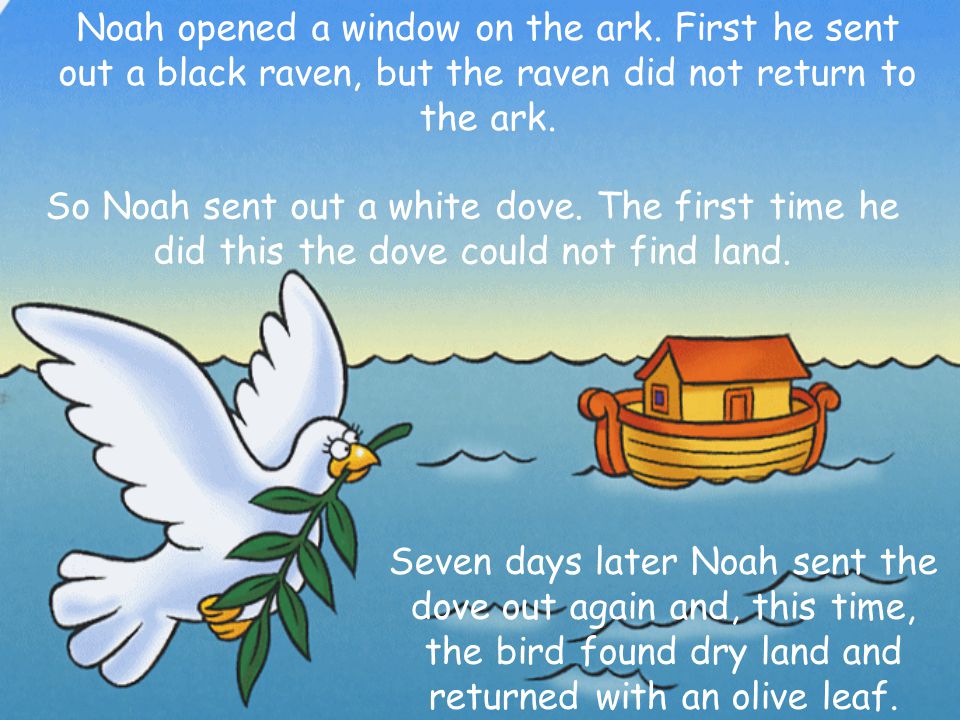
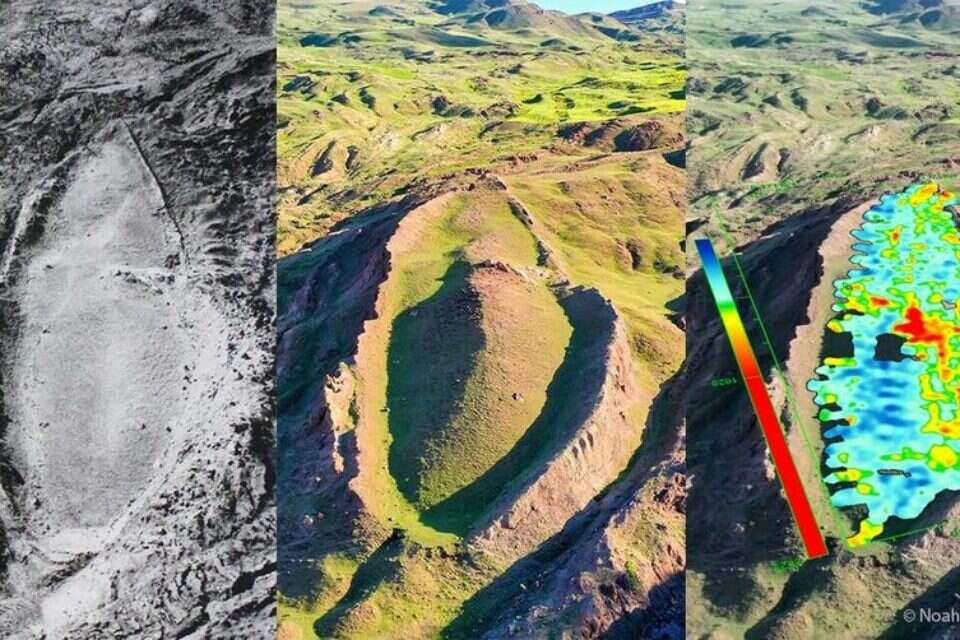
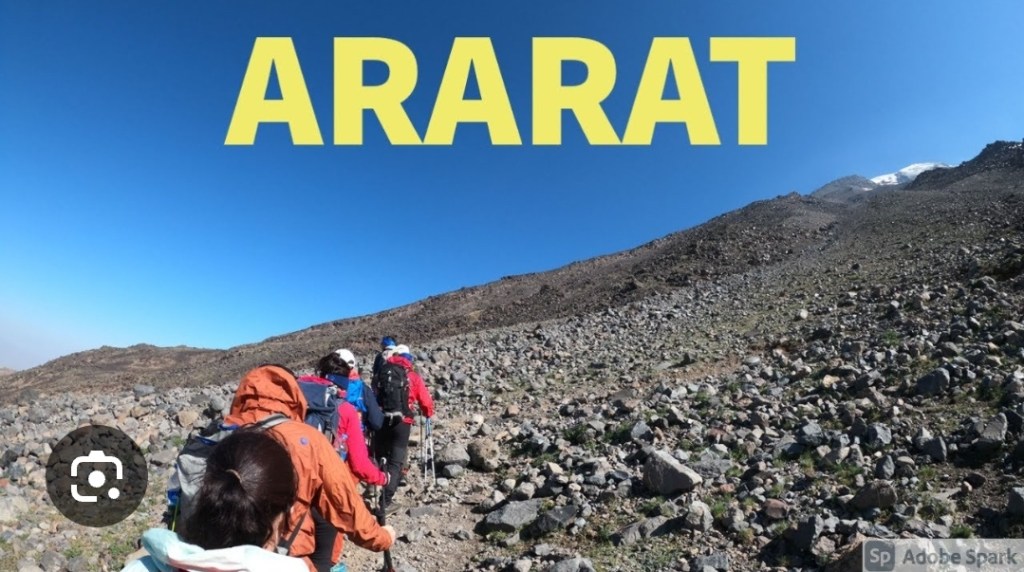
Rain falls for 40 days and nights, and the waters churn for 150 days more before calming and beginning to recede. The ark settles on Mount Ararat, and Noah dispatches a raven, and then a series of doves, “to see if the waters were abated from the face of the earth.” When the ground dries completely—exactly one solar year (365 days) after the onset of the Flood—YAH SHADDAI commands Noah to exit the teivah and repopulate the earth.
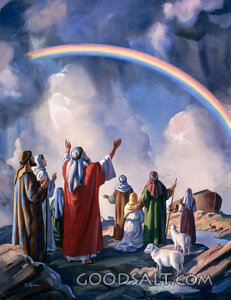
Noah builds an altar and offers sacrifices to YAH SHADDAI. YAH SHADDAI swears never again to destroy all of mankind because of their deeds, and sets the rainbow as a testimony of His new covenant with man. YAH SHADDAI also commands Noah regarding the sacredness of life: murder is deemed a capital offense, and while man is permitted to eat the meat of animals, he is forbidden to eat flesh or blood taken from a living animal.
Noah plants a vineyard and becomes drunk on its produce. Two of Noah’s sons, Shem and Japheth, are blessed for covering up their father’s nakedness, while his third son, Ham, is punished for taking advantage of his debasement.
The descendants of Noah remain a single people, with a single language and culture, for ten generations. Then they defy their Creator by building a great tower to symbolize their own invincibility; YAH SHADDAI confuses their language so that “one does not comprehend the tongue of the other,” causing them to abandon their project and disperse across the face of the earth, splitting into seventy nations.
The Parshah of Noach concludes with a chronology of the ten generations from Noah to Abram (later Abraham), and the latter’s journey from his birthplace of Ur Casdim to Charan, on the way to the land of Canaan.
https://www.umjc.org/commentary/2024/11/1/after-the-flood
Union of Messianic Jewish Congregations
After the Flood
Parashat Noach, Genesis 6:9–11:32
Chaim Dauermann, Brooklyn, NY
This week’s parasha confronts us with a subtle tension. The bulk of it is taken up by the story of Noah, the ark, and the great flood that covered the earth. It’s one of the best-known Torah stories within the general public, and it’s especially familiar to children. The tension is found in that it’s also among the most disturbing stories in the entire Bible. To a child, it’s an adventurous story about a boat full of animals. But for an adult, it’s an account of a time God decided, in his righteous judgment, to destroy every human being on the earth except for eight people—Noah and his family.
But once we get beyond this struggle, to the place where we can see, and even accept, that the perfect justice of God necessarily includes the destruction of that which is wicked, we are still left with lingering issues, things about the story that are at cross purposes with our understanding. Divine punishment of human wickedness is one thing, but what about animals? The scripture tells us that all human life was eliminated except for those who were on the ark. But the same can be said of the creatures of the land and of the air. Whichever were not collected onto the ark alongside Noah and his family also perished when the waters came. Animals do not sin. How is their destruction just?
The destruction of animal life on the earth was not a mere side effect of the flood, but part of the plan. The last few verses of Parashat B’reisheet put a fine point on this for us: “So the Lord said, ‘I will destroy man whom I have created from the face of the earth, both man and beast, creeping thing and birds of the air, for I am sorry that I have made them’” (Gen 6:7). For what reason do animals suffer a penalty for human failure?
Sages throughout Jewish history have attempted to answer this question. In Genesis 6:12 we read that “all flesh had corrupted their way on the earth.” Midrash acknowledges that this refers to all life, both human and animal, and interprets this to mean that the animal kingdom had fallen into a similar state of corruption as humankind. Genesis 6:1–4 tells us of that human corruption, albeit briefly, relating that heavenly beings intermingled with human women, producing corrupt offspring and marring the created order. Of the animals, the Midrash relates, “They all corrupted their actions in the generation of the Flood – the dog would consort with the wolf, and the chicken would consort with the peacock” (Bereshit Rabbah 28:8). One account from the Talmud surmises that, once Noah had been tasked with preserving animals from a pure bloodline, the ark was supernaturally enabled to separate the pure from the impure:
He passed them before the ark. All animals that the ark accepted, it was known that a transgression had not been performed with them. And any animal that the ark did not accept, it was known that a transgression had been performed with it. (b.Sanhedrin 108b)
The tradition preserves an understanding that the broader created order followed after mankind in falling into transgression and suffered a similar consequence. The inspired text of the biblical authors affirms this, showing us that by looking to human failings, we can see why animals naturally had to pay a cost. From the beginning, mankind was tasked with maintaining the created order, with God giving them “dominion over the fish of the sea, over the birds of the air, and over the cattle, over all the earth and over every creeping thing that creeps on the earth” (Gen 1:26), and placing Adam in the Garden of Eden in order to “tend and keep it” (2:15). But when Adam and Eve sinned, their fall impacted more than just their own fortunes and those of their descendants. Animals are also described as bearing a curse from these actions (3:14) and, beyond that, even the very ground itself (3:17–19).
While these accounts might seem mysterious, and some of the traditional interpretations strange, we can see their core truths reflected in mankind’s leadership of the created world in our own present day, and, sadly, we can witness creation paying the cost for our own fallen natures. Through no sin of their own, species die out at an increasing rate as a consequence of human expansion. And natural areas and resources become polluted by our activities, sometimes to points beyond recovery. As fallen creatures in a fallen world, our dominion over the natural world little resembles the “tending and keeping” that we were originally created for.
But while the flood narrative is bleak, it contains hope: although God destroyed, he also saved. And, when it comes to the animals, God was far more generous with them than he was with us, preserving a large number of creatures alongside Noah’s small family. And God’s generous provision hardly ends there.
Writing to the Romans, Paul ruminates on the costs of sin borne by creation, as well as the restoration that awaits us through the return of our Messiah:
For I consider that the sufferings of this present time are not worthy to be compared with the glory which shall be revealed in us. . . . For the creation was subjected to futility, not willingly, but because of Him who subjected it in hope; because the creation itself also will be delivered from the bondage of corruption into the glorious liberty of the children of God. (Rom 8:18, 20–21)
Yeshua’s return and earthly reign will bring rest and deliverance not only for God’s human children, but also for the entire created order. The prophet Isaiah looks forward into this time of peace for man and beast. It’s a gentle but needful reminder of the big picture, putting all things into perspective—even God’s wrath:
The wolf also shall dwell with the lamb,
The leopard shall lie down with the young goat,
The calf and the young lion and the fatling together;
And a little child shall lead them.
The cow and the bear shall graze;
Their young ones shall lie down together;
And the lion shall eat straw like the ox.
The nursing child shall play by the cobra’s hole,
And the weaned child shall put his hand in the viper’s den.
They shall not hurt nor destroy in all My holy mountain,
For the earth shall be full of the knowledge of the Lord
As the waters cover the sea. (Isa 11:6–9)
In God’s pursuit of justice, some will be brought low, and others lifted up, but in the end, in the fullness of time, all of creation will be made whole once more.
All scripture quotations taken from NKJV.
November 1, 2024



















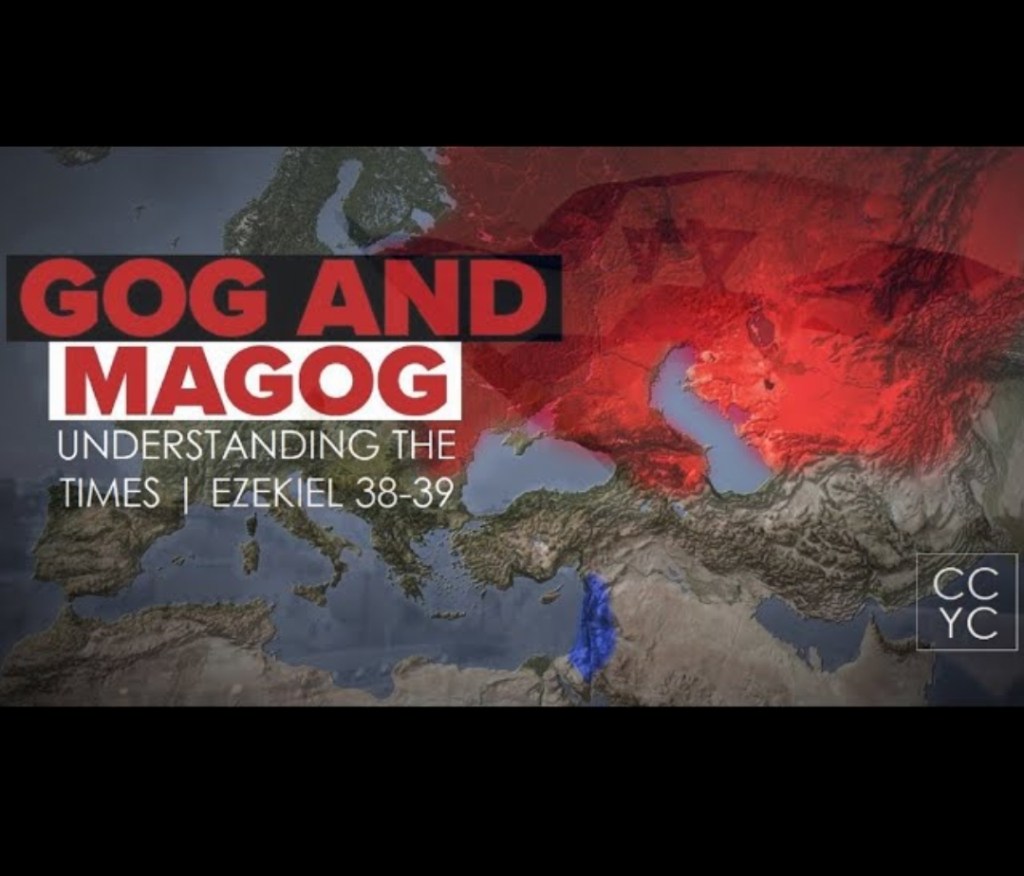


Video: Obama is Gog and Will Start World War III


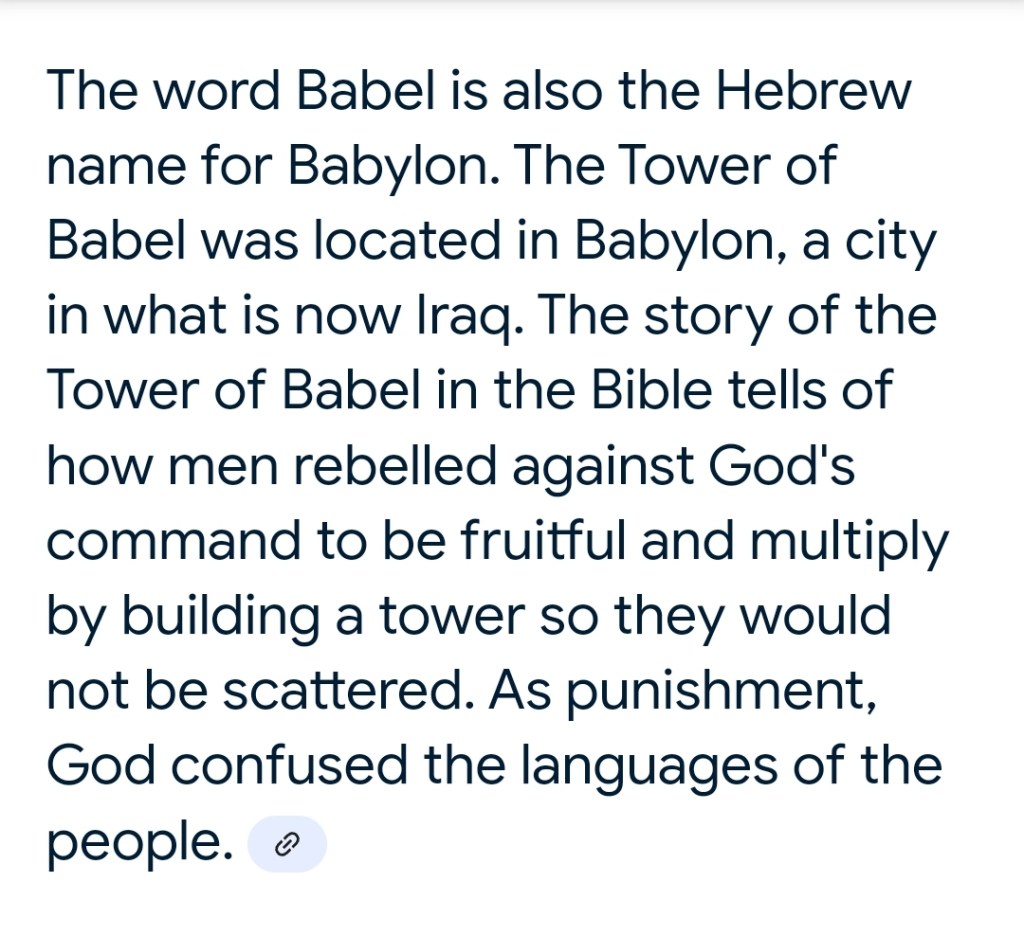
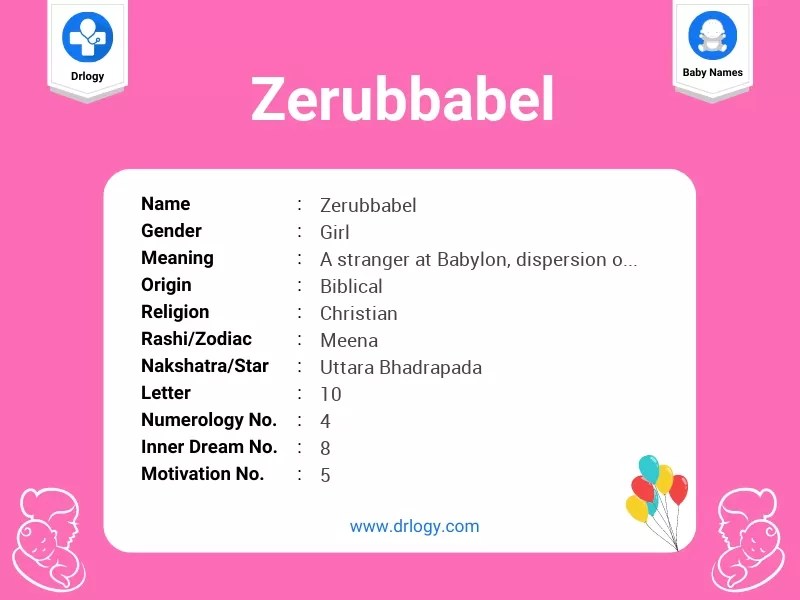

Every word bearing the letters, “b” and “l” following each other speak of or are significant of trouble particularly in the Hebrew language and from a Hebrew perspective.
SHALOM
 [YAHUSHUA HA MASHIACH] THE CHIEF CORNERSTONE MINISTRY